The Role of Bite Alignment in Your Long-Term Oral Health
Most people notice a crooked smile before they ever think about what that misalignment is doing beneath the surface. A bite that doesn’t meet evenly can quietly strain your jaw, wear down your enamel, and make everyday chewing harder than it should be.
At Maison Dental Studio, we help patients throughout Youngsville understand what their bite is telling them about their overall oral health. As part of our general dentistry care, we take the time to explain what we see on your X-rays and walk you through your options, so you always know exactly what is happening in your mouth and why we recommend a particular path forward.
How Bite Misalignment Affects More Than Just Your Smile
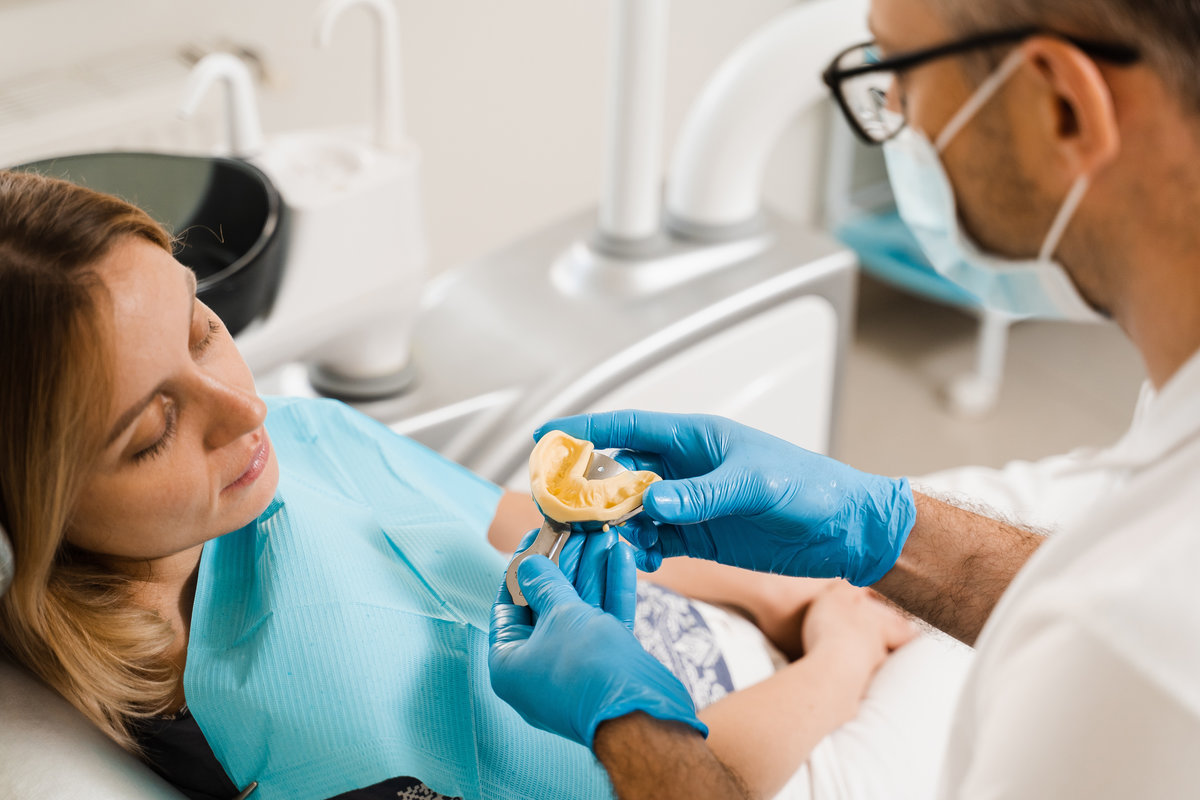
Bite alignment, sometimes called occlusion, describes how your upper and lower teeth fit together when your jaw closes. When that relationship is off, dentists call it malocclusion, and it can show up in several forms, including an overbite, underbite, crossbite, or crowding. According to a study published by the National Library of Medicine, malocclusion is linked to changes in bite force. It can contribute to poor oral hygiene, periodontitis, and temporomandibular joint dysfunction.
A misaligned bite forces your teeth to absorb pressure unevenly. Over time, this can wear down certain teeth faster than others, create small enamel fractures, and make it harder to keep your teeth clean because they don’t line up the way they should. Many patients are surprised to learn that jaw pain or clicking sounds when they chew can trace back to a bite that has never been properly evaluated.
Why Early Evaluation Matters When It Comes to Your Long-Term Oral Health
Catching a bite issue early often means a simpler, less invasive path to correcting it. When we evaluate your family dentistry needs, we look closely at how your teeth meet.
We also look at how your bite affects the muscles and joints around your jaw. Ongoing strain in this area can point to a deeper issue, such as:
- Jaw Popping or Clicking: A joint sound during chewing or speaking that can signal uneven pressure distribution
- Morning Headaches: Frequent tension near the temples that often stems from nighttime clenching or grinding
- Uneven Tooth Wear: Flattened or chipped edges on certain teeth, usually a sign your bite is not distributing force evenly
- Jaw Fatigue or Soreness: A tired or achy feeling in the jaw after eating or talking for extended periods
If any of these symptoms sound familiar, it is worth having your bite formally assessed rather than waiting for the discomfort to pass on its own.
Connecting Bite Health to Your TMJ and Sleep
For many patients, an unaddressed bite issue is closely tied to jaw joint and sleep concerns. Our Temporomandibular joint (TMJ) disorders and sleep therapy services focus on the relationship between how your teeth meet and how your jaw functions during the day and while you sleep. When your bite forces your jaw into an unnatural position, it can contribute to teeth grinding and chronic discomfort that patients often do not connect back to their teeth.
We take a comprehensive look at your entire oral and facial structure rather than treating symptoms in isolation. This approach helps us determine whether your bite contributes to jaw tension, sleep disruption, or both, so we can build a plan that addresses the root cause instead of masking discomfort.
Treatment Options That Restore Balance
Once we understand how your bite is affecting your oral health, we can walk you through the treatment options that make the most sense for your situation. For patients dealing with misaligned teeth, Invisalign is often an effective way to gradually shift teeth into better alignment without the appearance of traditional braces.
When a bite issue has already caused significant wear or damage, dental crowns can restore the shape and function of affected teeth while protecting them from further stress. We always start by identifying the underlying cause of the misalignment so the treatment we recommend addresses the source of the problem.
Discover Why Youngsville Families Trust Maison Dental Studio
We built Maison Dental Studio to feel different from a typical dental office, starting with how we approach a diagnosis like bite misalignment. Both of our doctors graduated from LSU. They also completed additional training in general dentistry, including coursework in orthodontic treatment, so we can evaluate and treat bite concerns as part of your overall care.
We believe you deserve to understand what is happening in your mouth, which is why we walk you through your X-rays and explain our reasoning before recommending any treatment. If you have noticed jaw discomfort, uneven wear, or other signs that your bite may be out of balance, contact our team and let us help you find a path back to a comfortable, healthy bite.