Medically Reviewed by Dr. Kaleb Murray, DDS, FICOI on September 22, 2026
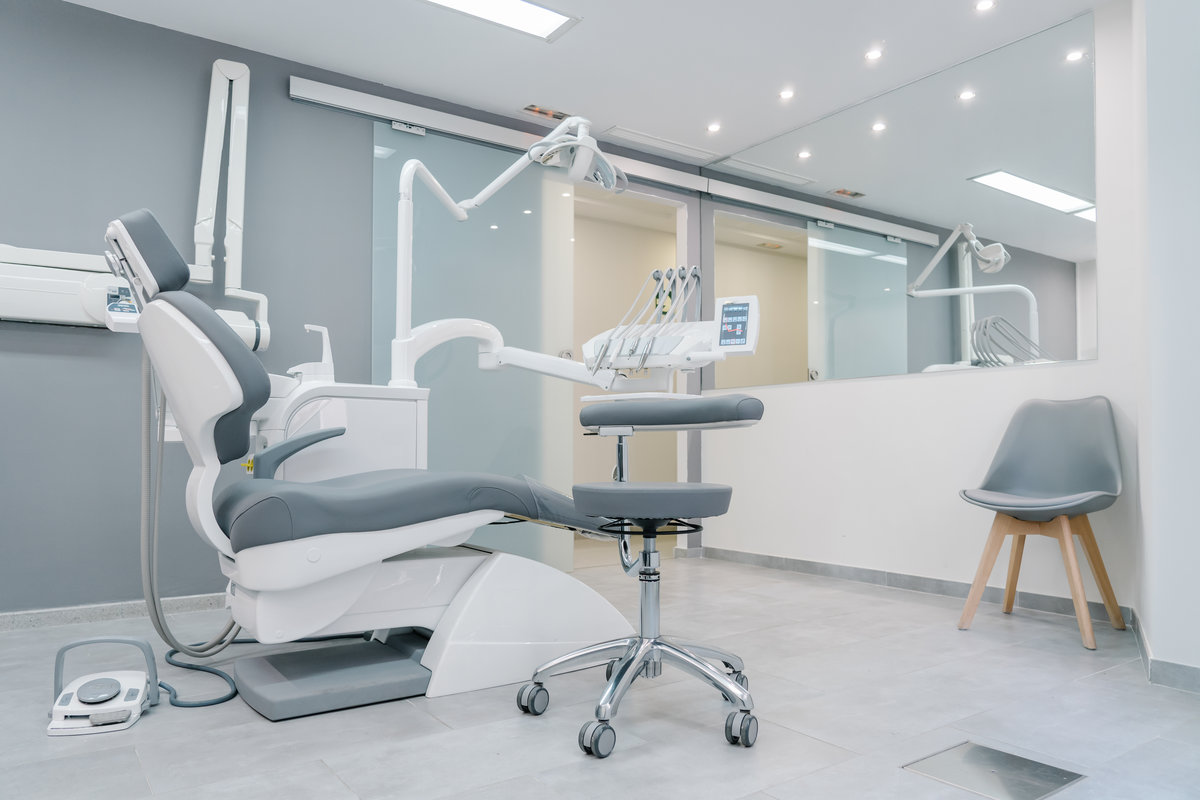
The hum of the drill, the bright overhead light, the feeling of being unable to move while someone works inches from your face. For many people, these are reasons to put off dental care for years, even when a tooth aches or a cleaning is long overdue. Avoiding the chair rarely makes the problem smaller. It often makes treatment longer, more involved, and harder to face later.
At Maison Dental Studio in Youngsville, we hear this story almost every week, and we built our approach around it. Both of our dentists completed an advanced education in general dentistry with focused training in IV sedation, so calming an anxious patient is part of how we practice, not an afterthought. Our approach to sedation dentistry in Youngsville is designed to make care feel manageable, even for people who have spent years dreading it.
What Sedation Actually Feels Like
The most common worry we hear is whether sedation means being fully unconscious. For most dental sedation, it does not. With lighter options, you stay awake and able to respond, but the edge comes off. Time seems to pass faster, the sounds and sensations feel distant, and the tension you normally carry into the room tends to fade.
With deeper IV sedation, many patients remember very little of the appointment afterward, even though they were never under general anesthesia. The goal is comfort and calm, not erasing your awareness entirely. You may feel drowsy, warm, and pleasantly detached, as though the procedure is happening somewhere just outside your full attention.
Afterward, the lighter forms wear off quickly, while deeper sedation can leave you groggy for the rest of the day. We walk you through what to expect for each option before anything begins, so there are no surprises once you are in the chair.

The Levels of Sedation We Offer
Sedation is not one single thing. It ranges from a mild sense of relaxation to a state where you are barely aware of the appointment at all. The right level depends on your anxiety, the procedure, and your overall health.
Here are the general levels patients ask about most:
- Minimal sedation, where you are relaxed but fully awake and responsive throughout the visit.
- Moderate sedation, where you feel calm and may not remember much of the procedure afterward.
- IV sedation, which offers a deeper sense of comfort and is well-suited to longer or more involved treatment.
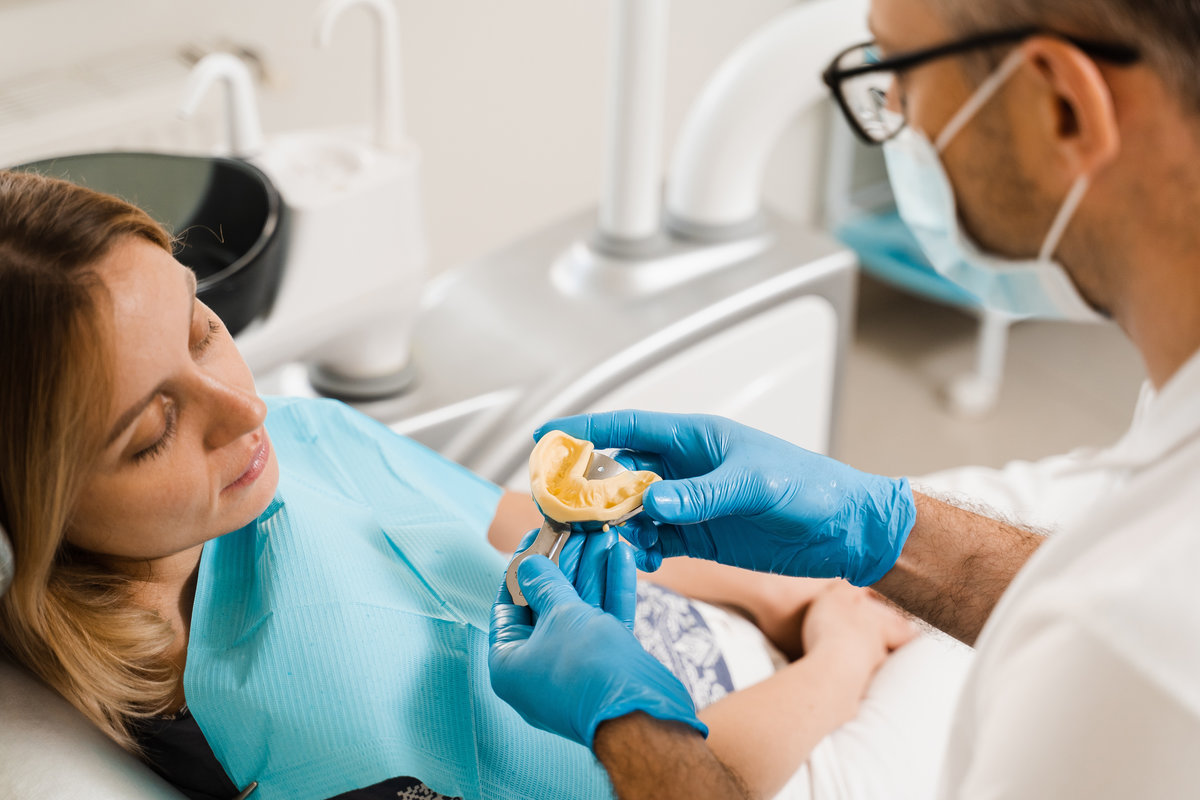
During your first visit, we discuss which level fits your needs and review your medical history carefully before recommending anything. The same calm approach extends to our work in dental implant treatment, where comfort during surgery matters just as much as the result.
Who Sedation Dentistry Is Right For
Sedation is not only for people with severe fear, though it helps them a great deal. Research on dental anxiety suggests a meaningful share of patients put off care because of nerves alone, and tools that ease that fear can change whether they ever return. One study on sedation needs in anxious patients found that anxiety, medical complexity, and treatment difficulty all shape how much help a person may benefit from.
You may be a good candidate if you have a strong gag reflex, struggle to sit still for long appointments, have sensitive teeth, or need several procedures completed in one sitting. People who have had difficult experiences in the past often find sedation lets them finally move forward. If you are caring for your family’s dental needs as well, our family dentistry services can keep everyone on the same comfortable footing.
Not everyone needs sedation, and we never push it. Some patients simply want more information before deciding, and you can always learn more about our full range of options through our dental services in Youngsville.
Experience Comfortable Care at Maison Dental Studio Now
Sedation dentistry can turn an appointment you have been dreading into one you barely remember, in the best possible way. At Maison Dental Studio, our dentists carry advanced training in general dentistry and IV sedation, and both are fellows of the International College of Oral Implantology, which means complex and anxiety-prone cases are familiar ground for us. We pair that background with a calm, unhurried approach so you feel informed at every step.
If years of avoiding the dentist have left you with treatment to catch up on, you do not have to face it the same way you did before. When you are ready to talk through your options, you can schedule a consultation with our Youngsville office, and we will help you find an approach that feels right for you.
Frequently Asked Questions About Dental Sedation
Will I be fully unconscious during dental sedation?
Most dental sedation does not involve full unconsciousness. With minimal or moderate sedation, you remain awake and able to respond throughout the appointment, though you feel deeply relaxed and may not remember much of the visit. IV sedation produces a deeper state of calm where many patients have little memory of the procedure, but this is distinct from general anesthesia used in a hospital setting.
Is IV sedation safe for routine dental appointments?
IV sedation is considered safe when administered by a dentist with advanced training and when patient health history is reviewed carefully beforehand. At Maison Dental Studio, both doctors completed advanced training in IV moderate sedation and review each patient’s medical history before recommending any sedation level. Routine safety monitoring is maintained throughout every sedation appointment.
How long does dental sedation last after my appointment?
Lighter forms of sedation wear off relatively quickly, and most patients feel alert within an hour or two. IV sedation can leave you groggy for the remainder of the day. Most patients who receive IV sedation are advised to arrange a ride home and avoid driving or operating machinery for 24 hours after the procedure.
Who is not a good candidate for dental sedation?
Patients with certain medical conditions, breathing difficulties, or severe heart or lung disease may not be suitable candidates for certain types of sedation. A thorough review of your health history at your consultation helps determine which options are appropriate for you. Some patients may be better served by lighter sedation alternatives.
How do I prepare for a sedation dentistry appointment?
Preparation varies depending on the sedation level. For IV sedation, patients are typically asked to avoid eating or drinking for a set number of hours beforehand, arrange transportation home, and wear comfortable clothing. Our team provides specific pre-appointment instructions at your consultation so you arrive fully prepared.
ABOUT THE AUTHOR
Dentist, Maison Dental Studio
Dr. Kaleb Murray graduated from the LSU School of Dentistry in 2022 and completed a one-year Advanced Education in General Dentistry residency. He is a Fellow of the International College of Oral Implantology and holds advanced training in IV moderate sedation, Invisalign, and cosmetic dentistry. Dr. Murray practices at Maison Dental Studio in Youngsville, Louisiana.